
Hong Kong fire safety regulations
Integrating the Fire Services Department and the relevant legislation of ISA to assist owners and tenants in understanding compliance requirements.
Full reading
Grand United Eng., Co.
This page consolidates the most commonly used substantive knowledge of Hong Kong fire engineering: legislation architecture, structureRegistered Fire Service Installation ContractorClass 1 / Class 2 / Class 3 (RC1/RC2/RC3) Division of labour,FS251 Annual InspectionChoice, fire classification and fire extinguisher selection,fire extinguisher annual inspectionandEconomiesCategoryfire protection systemThe main elements of maintenance and the division of responsibilities between owners, junta, management companies and businessmen. The content is organized in accordance with the fire safety regulations (chap. 95) and relevant regulations, Fire Services Department codes and existing administrative arrangements, and if judgement is needed on individual sites, contacting usfire safety adviser。 Recommendations are read togetherHong Kong fire safety regulationsandfire safety and teaching。
Legislation
Hong Kong ' s fire safety regulations are made up of several pieces of legislation that deal with the three main lines of security improvement, respectively, with respect to the maintenance and annual inspection of aluminium, as well as fire safety in old buildings. Understanding that structure would avoid confusion between the demands of different sectors.
| legislation | Regulatory priorities | Relations with owners/businesses |
|---|---|---|
| Safety Regulations (Chapter 95) | Fire safety maternity law, which authorizes the establishment of subsidiary legislation. | Legal basis for all fire service installations. |
| Fire safety (container) Ordinance (Cap. 95A) | (b) The fire service contractor ' s registration system, which is ranked 1st, 2nd and 3rd. | The appointed contractor is required to confirm the type of system in which its registration level covers your site. |
| Fire safety (instructions and equipment) Ordinance (Chapter 95B) | (a) The owner is required to remain in an effective state of operation at the time of the installation; At least once a 12-month period is examined by the registered contractor; The contractor is required to send FS251 within 14 days of completion and send a copy to Fire Services Department. Non-registered contractor shall not be placed in the premises, maintained, repaired or inspected fire service installations or equipment. | This is a direct legal source of annual fire safety inspection and ⁇ FS251 certificates. |
| Safety (Commercial Services) Regulations (Chapter 502) | (a) To request improved safety and security measures in the area of designated commercial premises and commercial buildings; The Fire Services Department and the Office of the Board of Tenure are jointly implementing and can send fire safety direction. | It covers, for example, banking operations, out-of-field projection, jewellery or gold operations in security zones, supermarkets, mega supermarkets, or 100 companies and business sites, as well as buildings or parts of the general building containing over 230 square metres. |
| Safety (Buildings) Regulations (Chapter 572) | The design of old integrated uses and residential buildings is required to upgrade fire service installations and equipment and fire safety construction. | Frequently, the old building ' s law corps will be dressed, alerted, directed lamps or improved access to fire. |
| Fire Services Department Code | The minimum fire service installations and the Code of Conduct and Inspection, Testing and Maintenance of Devices and Equipment, as amended in March 1994, apply to fire service installations and equipment provided or improved under Chapter 502 and Chapter 572. | Technical basis for minimum configuration, inspection and maintenance of devices. |
Among the business improvement requirements, frequent projects include automatic spraying systems, automatic stopping facilities for mechanical ventilation systems, fire safety and shrimp systems, hand-held fire alarms, and hand-in fire extinguisher. These projects fall under category 1 and level 2 contractors, which often require two-tier qualificationsfire engineering companiesUnified processing will not lead to a certificate gap.
In the event of doubt about fire safety direction or fire safety orders issued to owners or occupants under Chapter 502 and Chapter 572, Fire Services Department Building Improvement Support Centre (tel. 2272 9112; e-mail fsdbisc@hkfsd.gov.hk) can be contacted. Substantively, three matters were suggested in synchronization: checking each of the requirements set out in the instructions, organizing on-site assessments of workable programmes and durations by registered contractors, and responding in writing to a follow-up schedule. Detailed practices can be consultedHong Kong fire safety regulations, or directly to usfire engineering "。
Contractor eligibility
Chapter 95A classifies registered fire service installation contractor into Class 3, with different types of devices available at all levels. Industry and " documents are often described as RC1, RC2, RC3.
| Level | Scope of work | Common systems |
|---|---|---|
| Level 1 (RC1 contractor) | Devices, maintenance, repairs and inspections of electrical or other instruments to detect cigarettes or fire, and fire service installations or equipment (except hand-held devices) that are alarmed or otherwise warningd. | fire alarm system, hand-held fire alarm , smoke detector, heat detector, fire alarm bell, fire safety and clock maintenance |
| Level 2 (RC2 contractor) | Devices, maintenance, repair and inspection of fire service installations or equipment (except hand-held equipment), including plumbing and fittings designed or modified for the transmission of water or other fire extinguishers, or other types of electrical devices specified in level 1. | automatic sprinkler system, fire safety tumours and fire hose reel, fire pumps, ballast systems, gaseous fire suppression system, smoke-free systems |
| Level 3 (RC3 contractor) | Maintenance, repair and inspection of hand-held equipment, i.e. Fire Services Department ' s manual handling tool. | Fire extinguisher, fire extinguisher, fire blanket |
(a) The restaurant in a kitchen: fire alarm bell and smoke detector is rank 1; sprinkler, water supply and fire extinguisher plating systems for the automatic fire-fighting of bathrooms are class 2; Fire extinguisher on the wall and fire blanket belong to level 3. In the case of three separate companies, annual inspection schedules, defects follow-up and certification are often fragmented, with the most susceptible to a window that will be fought for each other. Grand United Eng., Co. hosts I, II and Class 3 fire service installations, which can be submitted for a uniform arrangement of inspections, remedial work and certificates for the same site.
The contractor was selected to check three points: whether the level of registration covered all your systems, whether it would be possible to complete FS251 within the new electronic system and whether the fee for inspection and remedial work could be disaggregated.
Annual inspection and certification
FS251 Formal nameCertificate of Fire Service Installations and Equipment。 After a registered fire service installation contractor has completed the installation, maintenance, repair or inspection of the fire service installations or equipment, the certificate must be issued to the person entrusted with the work and a copy submitted to Fire Services Department in accordance with Chapter 95B.
Fire Services Department ⁇ Certificate of Fire Service Installations and Equipment (FS251) Online Transmission System operated on 1 April 2019, with contractor able to prepare and deliver FS251, record-keeping at the platform and to submit multiple certificates once using the Excel Statement Plutonium function. With the consolidation of the system, Fire Services Department has fully implemented FS251 e-transformation from 1 July 2026: Contractors have entered into the system information on building addresses, types of devices, results of inspections, damage and repairs to complete electronic signatures with smart convenience or Hong Kong Postal Electronic Certificate, which will produce an electronic certificate with a counterfeit dividing code. Fire Services Department is also synchronously strengthening its controls, including by expanding the size of spot checks for annual check-ups and providing real-time data on inspections and damage to fire service installations throughout the port building.
(a) The practical impact on owners, legal missions and businessmen: records are in situ, overdue or less readily identifiable; The electronic certificate may be authenticated by a two-dimensional test, which is easier to hand over to the licence department, buyer or new tenant; At the same time, it was suggested that the practice of by-catching paper folders was not feasible and that annual inspection must be arranged on a timely basis.
「Annual fire safety inspectionNo single answer, practicalAnnual fire safety inspection feesIt is determined by the type and quantity of devices, the composition of the contractor involved, the size and length of the building, the need for night or non-commercial work construction, the inclusion of spare parts for remedial work, and the need for additional time counts and establishment lists in the first year. Requestannual fire safety inspection "At the time, it was suggested that a list of addresses, uses, areas, last FS251 or devices be provided and that " disaggregated inspection fees and remedial work costs be required.
Basic knowledge
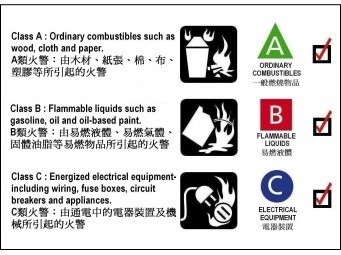
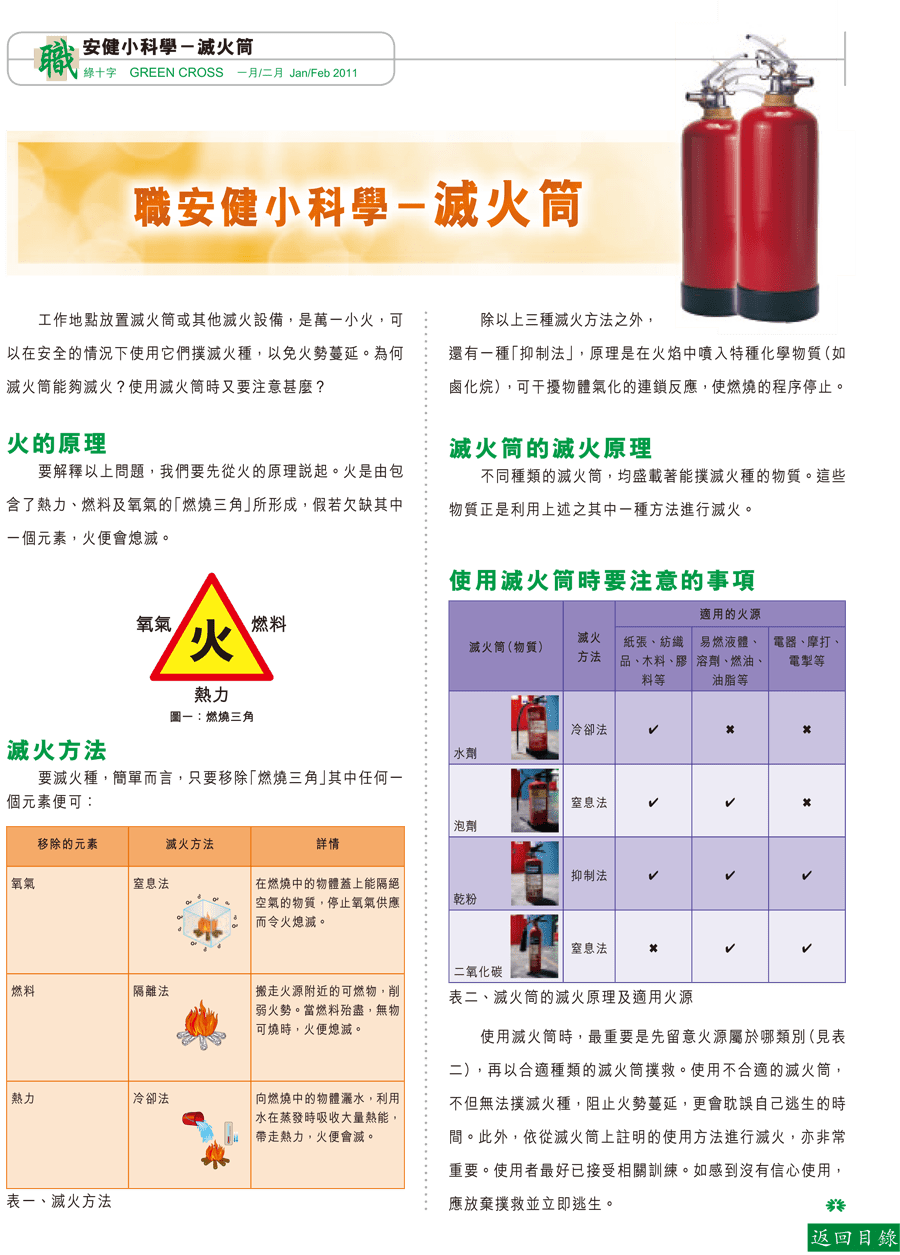
Staggered fire extinguisher is not only ineffective, but may worsen the situation. Hong Kong is commonly used in the classification of fire and corresponding fire extinguisher as follows.
| fire extinguisher type | Category of fire applied | Typical applications | Matters of concern |
|---|---|---|---|
| Dry powder fire extinguisher | A, B, C | shop, office, industrial building , vehicles, general home | (a) The broadest coverage, with more residues for post-spraying powder and need to be cleared; Dry powder may be buried for long periods of inactivity. |
| carbon dioxide fire extinguisher | Category B, C | Electrical devices, server room, electrical appliances, vehicles | (a) Refrain from residues, suitable for sophisticated equipment; Incendiary combustion of deep layers such as paper plumbers is more difficult to completely extinguished, and the use of closed space requires attention to the risk of absconding. |
| foam fire extinguisher | Category A, B | Places involving flammable liquids | The foam is a guiding body and cannot be used for electrical cable fire. |
| Water-clearing fire extinguisher | Category A | Timber, paper, plumbing; Frequently in old buildings | It is not possible to use oil or appliance fire, but there is a risk of voltage proliferation and exposure to electricity. |
The risk of palm oil fire is more specific, and commercial kitchens are generally configured in addition to fire extinguisherAutomatic fire suppression system for kitchens(b) Protecting pumps, winds and helmets and providing immediate relief with fire blanket; An open kitchen design often requires a combination assessment of sprinkler protection. Relevant product specifications referencedFire safety productswithProduct catalogue guide。
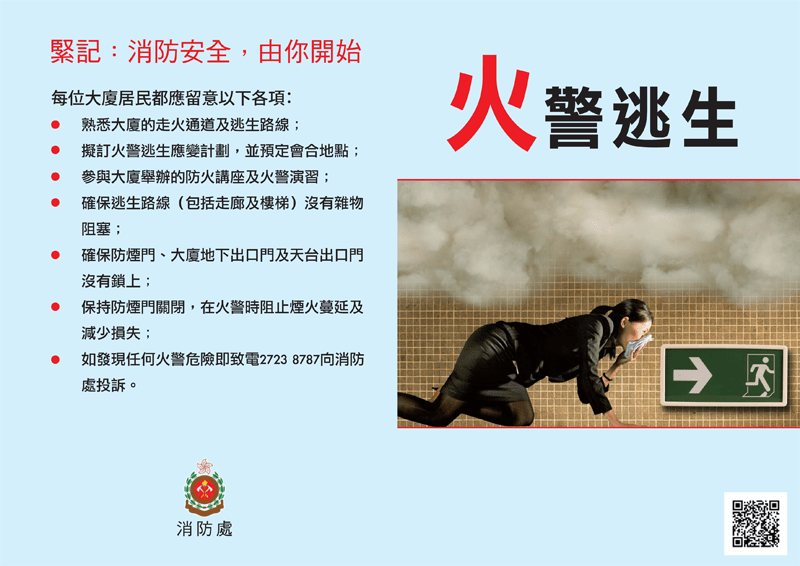
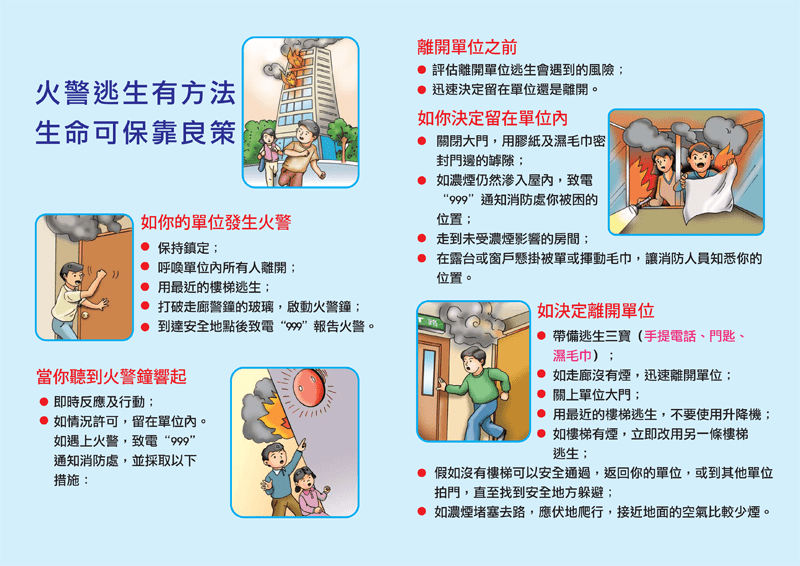
The rescue is sought only in cases where the fires remain early, with a clear regression and their own security. Once the smoke is spread or the fire is spreading, it should be withdrawn immediately, closed, hand-held fire alarms activated and electric 999 alerted.
Handheld equipment
According to the Fire Services Department code, such fire extinguisher should be tested every 12 months, while all fire extinguisher must undergo a pressure test within five years. The portable equipment is covered by the third class registered contractor.
A common misunderstanding is that iodine has not been used to justify it. Pharmacies and pressures change over time, while annual inspection records and FS251 also need to reflect the condition of hand-held equipment, so that even if never used, they are subject to annual inspections. If necessary, directlyContact us。
Systemic knowledge
The head of sprinkler triggers when he feels fit to the designated temperature, while the local dam control fires and concurrently issuing water-flow alarms. Maintenance is focused on sprinkler head, which cannot be blocked by ceilings, plates, mounds, wind or dress; The spacing of changes or the construction of additional rooms shall be reassessed and carried outfire protection system change。 Common defects include sprinkler head covered by oil-contaminated or painted copper, collision of the head and excessive dumping of cargo.
The group is responsible for maintaining system water pressure. Maintenance will focus on operational testing, pressure and flow inspections, control of turbine and power supply conditions, water leakage and anomalies, as well as the kitchen environment (ventilation, drainage, access).
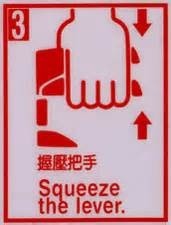
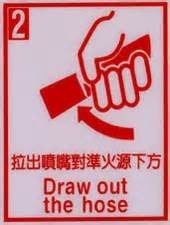
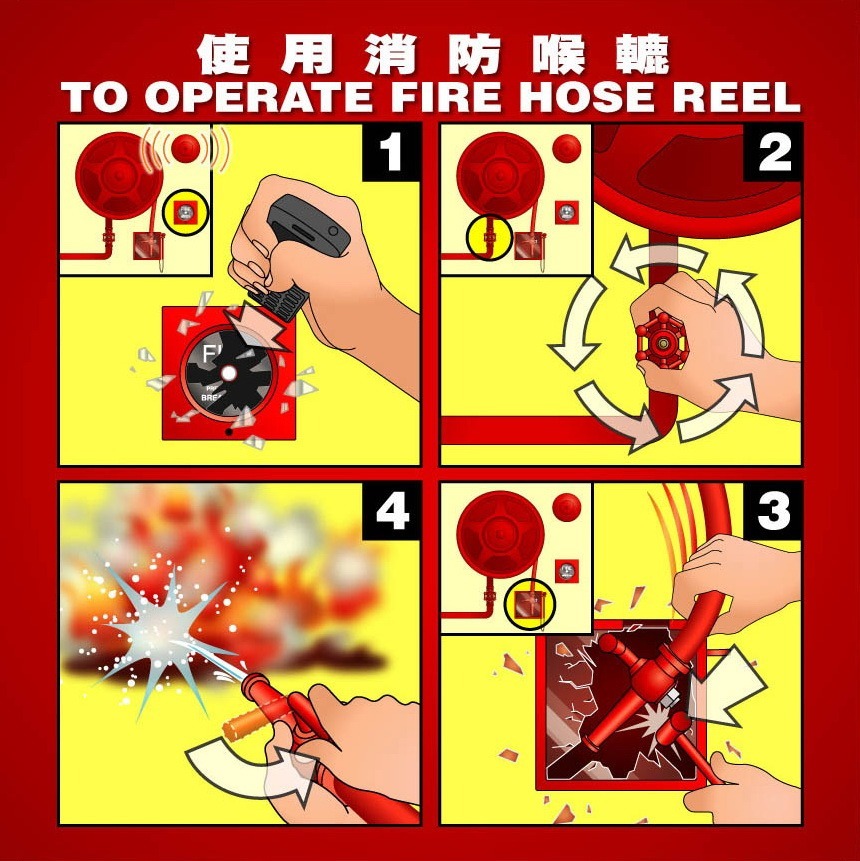
Initial rescue of personnel, fire safety and security for fire safety were refuted. The focus is on water pressure and water testing, plumbing and spraying, whether the bath can be easily rolled out, whether the doors and markings are complete, and whether pre-laps are blocked by impurities.Plutonium system testThe response to normal standby is then confirmed.
It consists of detectors, mobile alarm points, control over mainframes, seconds and back-up power sources. The focus is on mainframe failure lights and incident records, road completeness, backup batteries, sounding and cover, detector accumulations and plutonium, as well as connections with gate curfews, winds and gas systems. Misappropriation is common because of accumulation, wet gas, refurbishing of the Ess, routing and detectors being loaded in an inappropriate position (e.g. near the rubella or smoking areas).
smoke detector is more sensitive to early burns and suitable for corridors, offices, rooms; Heat detector is triggered by temperature change and applies to the location of flue gas or oil cigarettes, such as kitchens, car rooms, which can detector errors. The most common problem after refurbishment is the departure of the position of an astronaut change order detector from the original design coverage.
Upon the suspension of electricity, a evasion permit and direction instruction is provided with backup batteries. The focus is on electrical discharge testing, life of batteries, light fixtures and coverage of damps, the correct direction of the signboards, whether or not to be licensed or loaded. Old-age batteries are the most common defects and are most easily listed in annual inspection.
The FM-200 system and CO2/carbon dioxide firefighting systems are applied to server room, electricity houses, data centres, etc. where water is not appropriate. The focus is on steel bottle weight or pressure, pipeline and spraying, control of disciplining and detection connections, length and alarms, envelope (door windows and wind closures), and evacuation procedures and decals. The release of gas systems risks humans, and therefore the warning and extension function must be effective.
Installation and maintenance arrangements for the systems, for referenceFire engineering; Practical case observationsProjectsandCompleted projects。
Substantive management
The statutory requirement is that a registered contractor be checked at least once every 12 months, but daily self-screening can identify problems early and avoid significant defects, operational or budgetary explosions at the time of annual inspection. The following are internal circuit festivals (not substitute for statutory annual inspection) that may be used by owners, legal missions and businessmen.
| Frequency | Self-examination of projects | Who implements |
|---|---|---|
| Week | (b) Whether the fire corridor, stairs and exports are fluid; No door was roof; (c) Whether fire extinguisher was hanging with the cargo. | Management Service, head of store or duty officer |
| Monthly | fire extinguisher pressure sheet and appearance; Exit sign writings; The main crash has a malfunction lamp or warning. | Internal head |
| quarterly | emergency lighting function tests; (b) Visual screening of pit rooms (water leakage, noise, pressure); The head of sprinkler was renovated. | Internal head/ maintenance contractor |
| Annual (statutory) | Full annual inspection of fire service equipment, functional testing, defective remedial work, review and issuance and transmission FS251. | Registered Fire Service Installation Contractor |
| Within 5 years | Shanded fire extinguisher pressure test. | Level 3 registered fire service installation contractor |
| Upon modification or change | Reassess sprinkler ' s coverage, location of the detector, alarm spectacularity, export instructions and emergency lighting, with fire protection system changes. | Registered Fire Service Installation Contractor |
It is recommended that the annual inspection date be placed in the same reminder form with leases, licence renewal dates, and that the list of devices be maintained with the last FS251. Delivery units, comparative defects, requestsfire engineering "Time is much fast.
Deficiencies
The manner and cost composition of each defect can be consultedfire protection system maintenance and annual inspectionandFAQs。
Variance
If the passage is blocked by fire, it should remain in relatively secure rooms, gates, doors and valves, and seek to communicate to the outside and inform relief personnel of the location. More contextual approachesfire safety and teaching。
Explanation of terminology
| Chinese | English/ Abbreviations | An explanation |
|---|---|---|
| fire service installations and equipment | Fire Service Installations and Equipment (FSI) | Devices and equipment for detecting, alarms, fire extinguishing, evacuation lighting and fire prevention. |
| Registered Fire Service Installation Contractor | Registered Fire Service Installation Contractor (RFSIC) | Registered to Fire Services Department under Chapter 95A, grades 1, 2 and 3. |
| Certificate of Fire Service Installations and Equipment | FS251 | Authorized certificate issued by the contractor after completion of the installation, maintenance, repair or inspection. |
| Automatic sprinkler systems | Automatic Sprinkler System | Fixed fire-fighting systems that are prone to moderate water control fires. |
| fire hose reel | Hose Reel | Crude water pumps for initial rescue. |
| fire safety ⁇ | Fire Hydrant | (c) A mechanism for fire safety and access to water. |
| Flow fire alarm | Manual Fire Alarm / Break Glass | Across the man ' s set-up. |
| smoke detector | Smoke Detector | Smoking particles are reported to the police. |
| heat detector | Heat Detector | Sensitized temperature increases and alerts are applied to the irritant environment. |
| emergency lighting system | Emergency Lighting | A battery back-up lamp for escape lights was provided at the time of power cuts. |
| exit sign | Exit Sign | Instruction of the direction of escape and export location. |
| gaseous fire suppression system | Gaseous Extinguishing System(FM-200、CO₂) | Gas fire extinguishes, applicable to server room and equipment rooms that are unsuitable for water. |
| Automatic fire suppression system for kitchens | Kitchen Hood Fire Suppression System | Protection of automatic fire extinguishers for pumps, wind turbines and coatings. |
| Typhoon-resistant fire | Fire Damper | Plutonium blocking the spread of pyrotechnics. |
| Smoking systems | Smoke Extraction System | Excluding the pyrotechnics of the firefield and maintaining the visibility of the escape. |
| Fire-protection/flammatory layers | Fire Retardant Paint / Coating | Dealing with the rate of contagion of surface combustion. |
| annual fire safety inspection remedial work | Rectification Works | The annual inspection was completed and re-examined after the defects were discovered. |
FAQs
The Mother ' s Act is the Safety and Security Ordinance (Cap. 95); Chapter 95A regulator contractor registered and sub-class 3; Chapter 95B lays down the responsibility of the person, every 12 months ' inspection and 14 days ' submission to FS251; Chapter 502, Safety (Commercial Services) Regulations and chapter 572, Safety of Fire (Buildings), require the designation of commercial offices and old buildings to improve safety of fire. Fully collatedLegislation structurewithHong Kong fire safety regulations。
(b) To cover designated commercial activity offices, such as banking operations, out-of-field projection, jewellery or gold operations with security zones, supermarkets, supermarkets or consortia and business sites, and buildings or parts thereof with a total surface area of over 230 square metres; Projects that often need to be improved include automatic water spraying systems, automatic stopping facilities for mechanical ventilation systems, fire safety and shrimp systems, hand-held fire warnings and handcuff fire extinguisher.
At least once a 12-month period is examined by registered fire service installation contractor; The contractor is required to issue FS251 within 14 days of completion and send a copy to Fire Services Department, failing to comply with the possibility of prosecution.
At present, only electronic submissions are accepted. Fire Services Department operates on 1 April 2019 and is fully electronic as of 1 July 2026, submitted by the contractor with smart convenience or upon signature of Hong Kong e-mail certificates, which produces an electronic certificate with a counterfeited dividing code. For further detailsFS251 Chapter。
Category A (wood paper plumbing), B (flammable liquids and gases), C (electric devices). Dry powder can be used in categories A, B and C, covering the most extensive but residues after spraying; CO2 applies to categories B, C; Category A, B of the foams; The clean water model is limited to category A. For further detailsfire Comparative table。
Each 12-month test; (b) The invalidity of the pharmacies, blocking, under pressure or use of drugs; All fire extinguisher is subject to stress testing within five years. For further detailsfire extinguisher Chapter, or browsingFire safety products。
The statutory responsibility is vested in the device. The public utility component is normally arranged by a legal or regulatory body; In-house devices are subject to leases by tenants or operators. Four common scenariosDivision of responsibilities。
(a) Level 1 to deal with the detection of cigarettes or fire and to issue alarms; Level 2 deals with pipes and other electrical installations for the transmission of water or other fire extinguishers (except hand-held equipment); Level 3 Handling hand-held equipment. See tablecontractor level。
Changes to sprinkler ' s cover, location of the detector, spectacularity and visualization of the instructions are subject to reassessment and construction by a registered contractor, or may be easily classified as defects in annual inspection. ReferenceProjects。
Depending on the type and quantity of the installation, composition of grades, length of the building, duration of construction and whether remedial work is included. A list of devices or the last FS251 could be expedited"ation。
It is one of the most common problems in the inspection to extend the flight time, obstruct access to pits and fire extinguisher, and may constitute a violation with instructions or prosecution.
Fire Services Department Building Improvement Support Centre (2272,9112, fsdbisc@hkfsd.gov.hk) can be contacted, while arrangements are made for the registered fire service installation contractor to conduct on-site assessments of possible programmes and work periods. We can alsofire safety adviserAssistance in formulating improved sequencing and budgets.
Figure
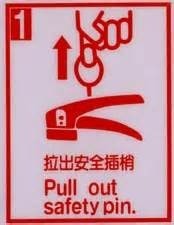
The following charts can be added to the above legislation, fire extinguisher selection and system maintenance reference.
Integrating the Fire Services Department and the relevant legislation of ISA to assist owners and tenants in understanding compliance requirements.
Full reading
Statutory annual inspection, certificate FS251 and service descriptions for various types of fire service installation maintenance, including remedial work and review arrangements.
Full reading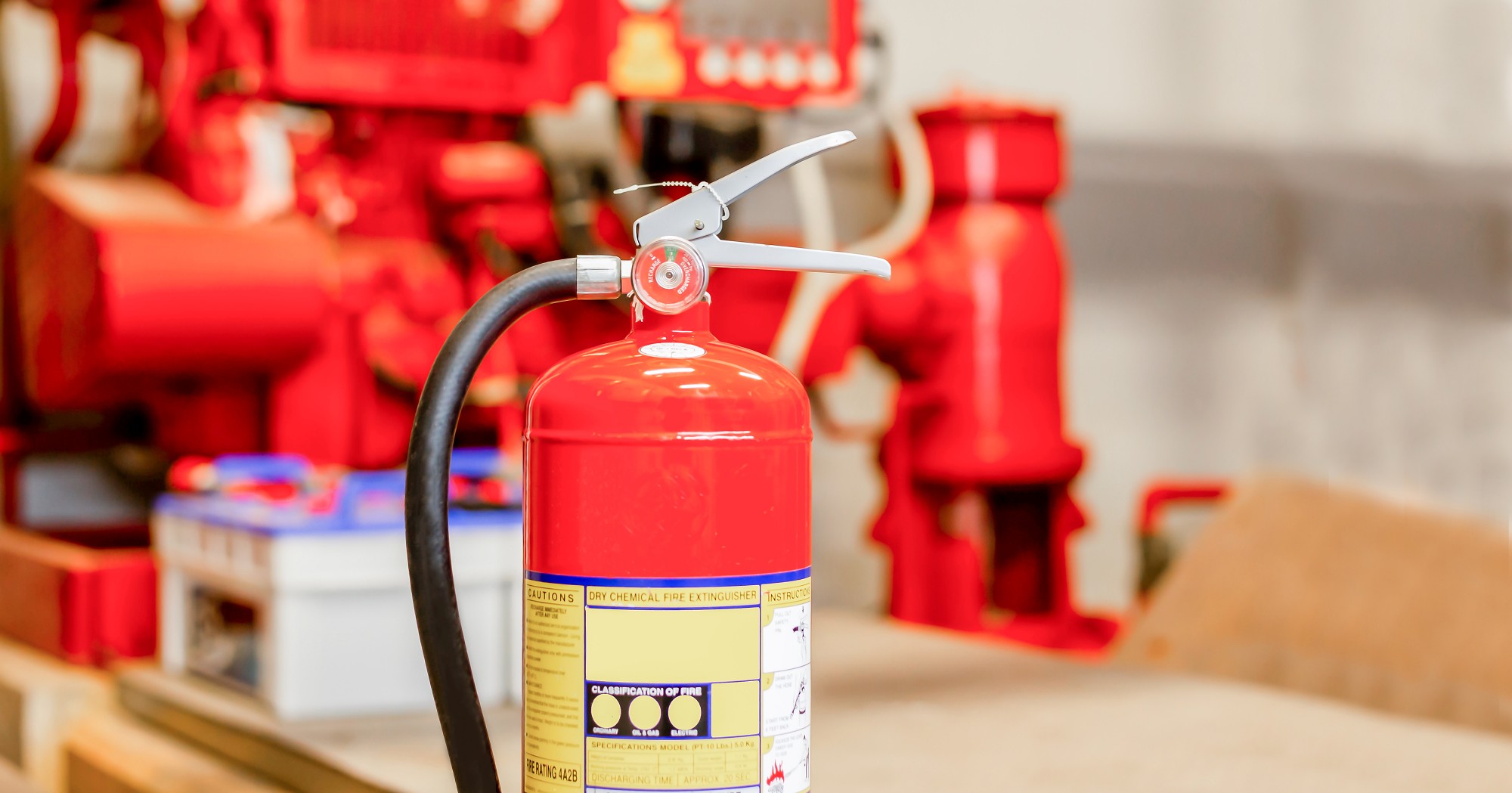
Frequent fire engineering questions, such as start-up, refurbishment, plans, acceptance inspection and annual inspection, answered.
Full reading
Operational preparation, daily fire prevention, fire-fighting equipment selection and fire should be translated into practical guidance.
Full readingThe first, second, class 3 fire service installations are performed by plans, installation, modification, maintenance to annual inspection and remedial work one-stop follow-up, with certificates being submitted electronically to Fire Services Department within the statutory period.